Pressure measurement in food and beverage processing
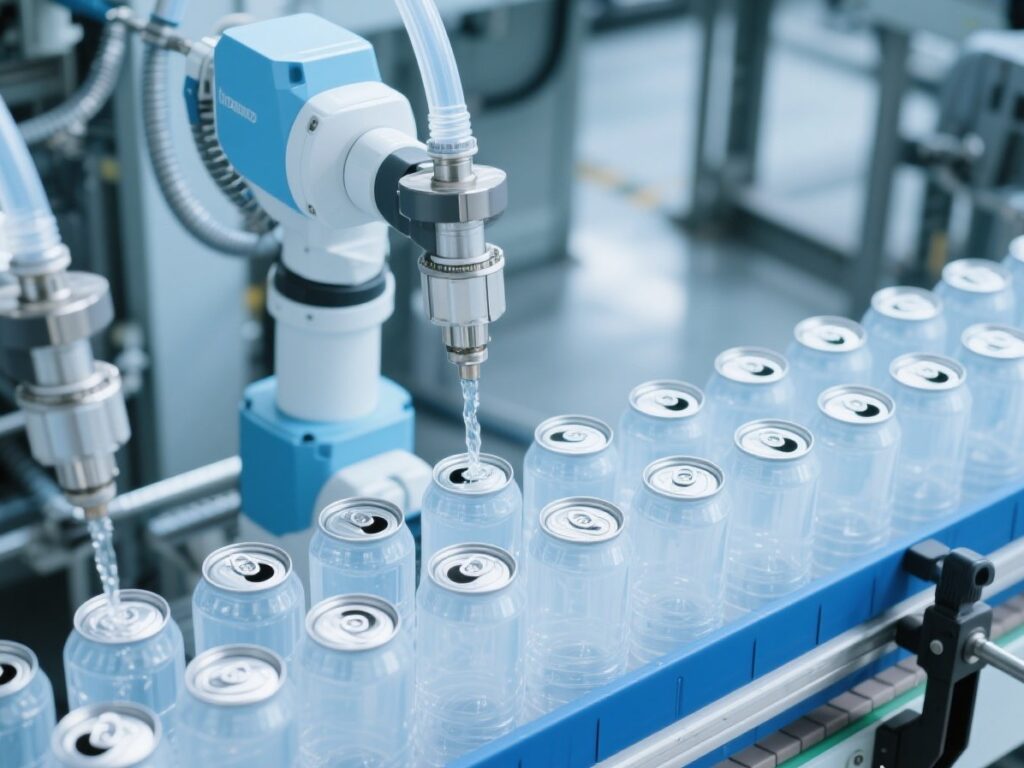
The production and processing of food and beverages is governed by strict laws, regulations, and industry codes. The purpose of these rules and codes is to minimize the risk of harm to consumers from products containing potentially foreign substances or bacteria. The use of pressure gauges is an important part of safe food production.
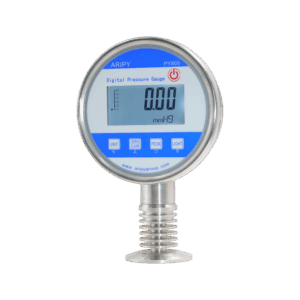
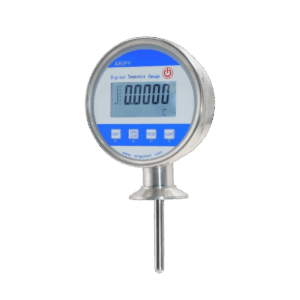
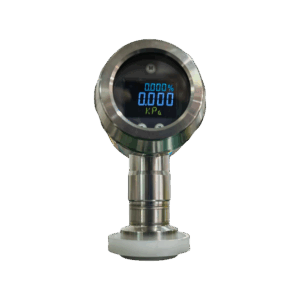
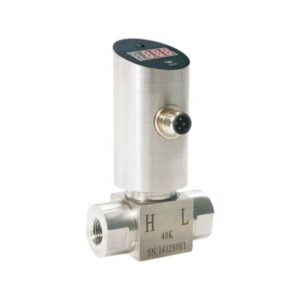
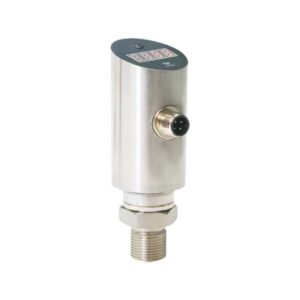
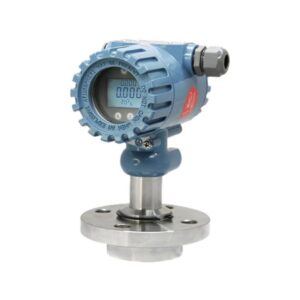
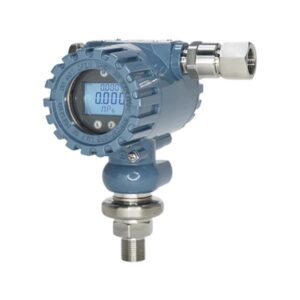
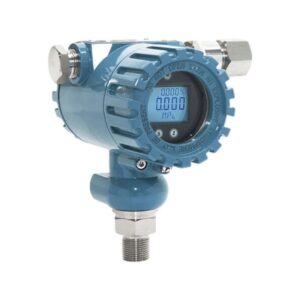
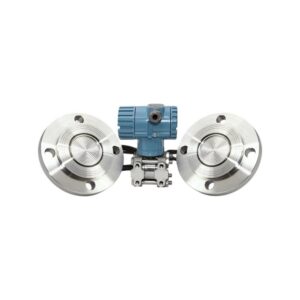
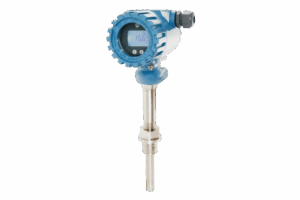
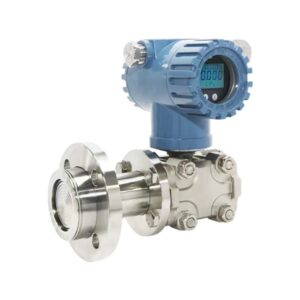
Most electronic pressure transmitters use a flexible diaphragm as the pressure transmission element. By using a suitable process connection, the pressure transmitter can be installed without gaps and is easy to clean.CIP cleaning systems (Clean In Place) are used to clean the internal surfaces of piping and tanks in liquid and semi-liquid food and beverage processing equipment. Normally only large tanks, jugs or piping systems with smooth surfaces can be cleaned. The “wetted part” of the pressure transmitter is the diaphragm, which is in contact with the measured medium and must be able to withstand the forces and temperatures generated by the CIP cleaning and sterilization process. Regular cleaning and a clearance-free design reduce the risk of contamination, but the surface of the wetted part must also have a smooth profile, free of sharp corners and gaps that can cause media build-up and decay. Typically, the part is made of stainless steel to prevent media adhesion.
Application Solutions
One method used in the food and beverage industry for continuous level measurement is hydrostatic pressure. A hydrostatic liquid can neither withstand shear deformation nor tensile forces. The force between two neighboring parts of the hydrostatic water as well as the hydrostatic water against the side walls is mainly pressure, which is called hydrostatic pressure. The column of liquid above the pressure sensor generates hydrostatic pressure, which is a direct indicator of the liquid level. The measured value depends on the density of the liquid, which can be entered as a calibration parameter.
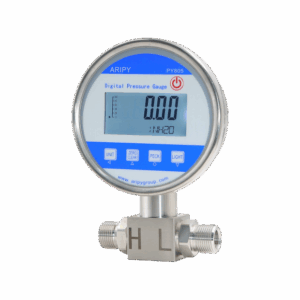
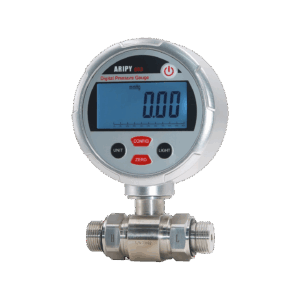
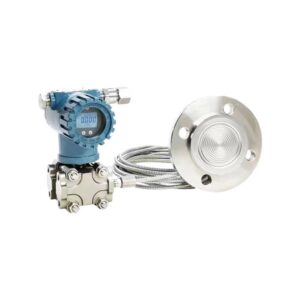
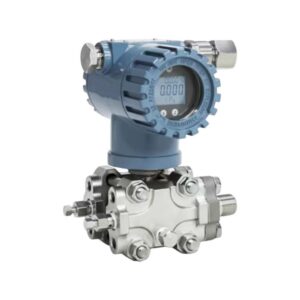
In the case of an open vessel, where atmospheric pressure acts on the top of the liquid, a gauge pressure sensor can be used. In the case of closed containers, on the other hand, measurements can be made using two separate gauge pressure transmitters or a single differential pressure transmitter. Control systems in the food industry often use differential pressure transmitters for liquid measurements due to their robustness and simplicity.
Custom Manufacturing
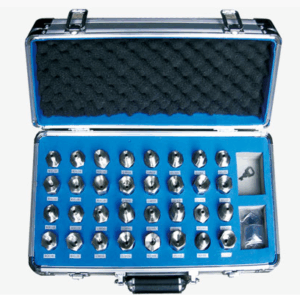
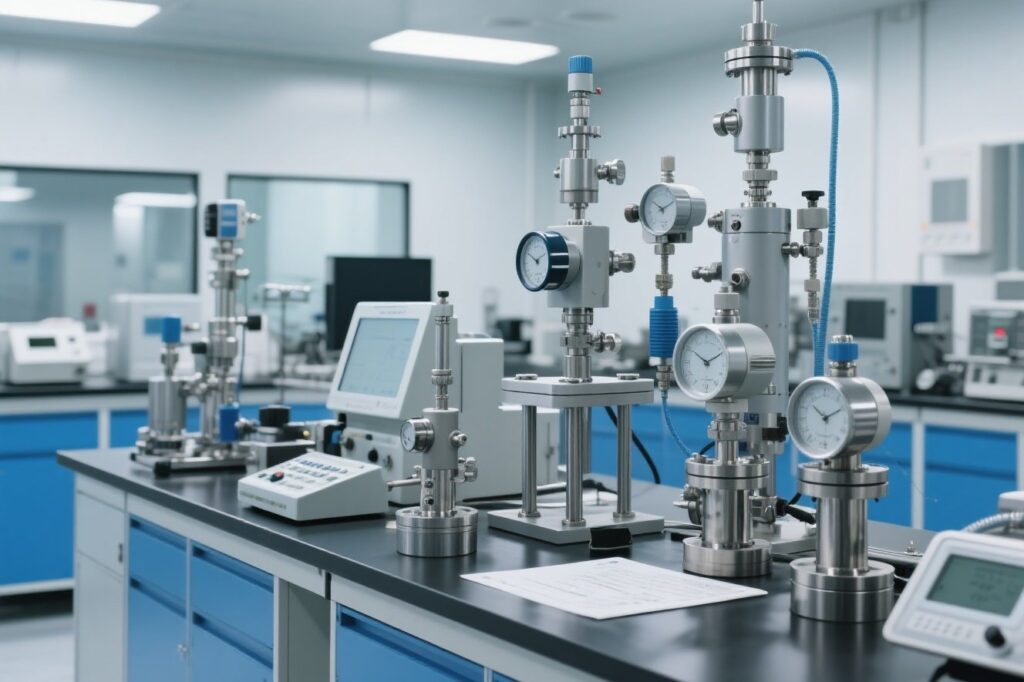
When the conventional products can not meet your needs, we can provide you with customized services according to the technical parameters.