Safeguarding quality and reliability in the steel industry
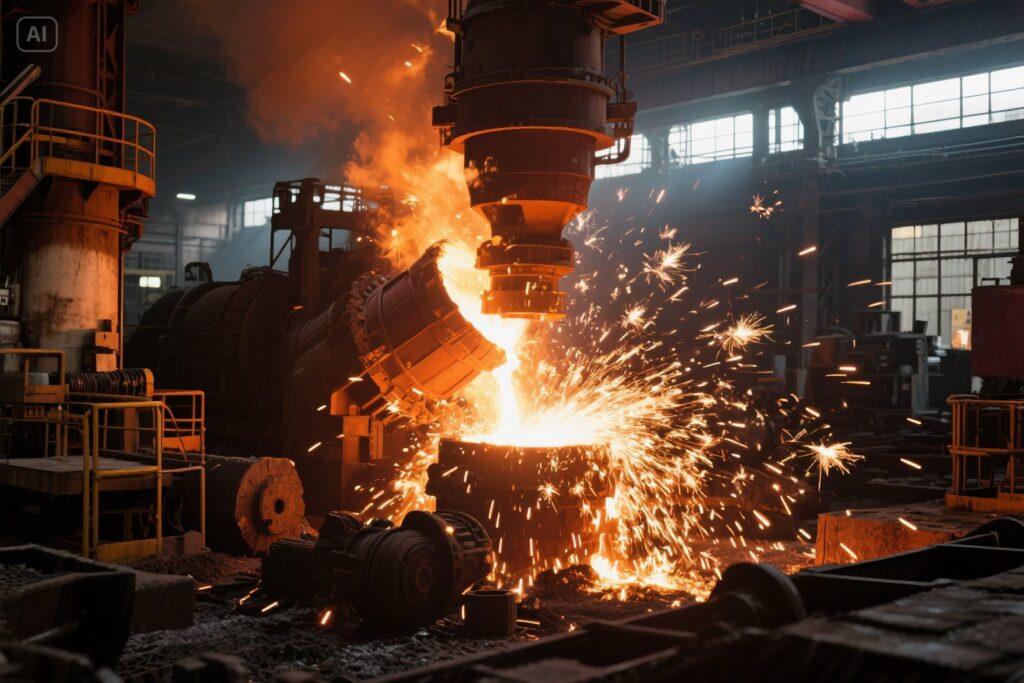
The steel industry is one of the largest and most important industries in the world. It has always been a major driving force in economic development, and its products are essential in a wide range of fields such as metal processing, automobile manufacturing, mechanical engineering and the construction industry. Only state-of-the-art, highly automated and reliable production lines can guarantee the economic success of steel production.
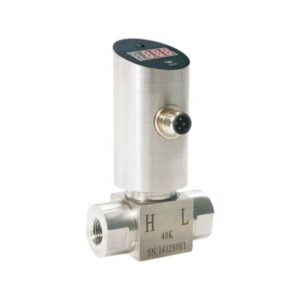
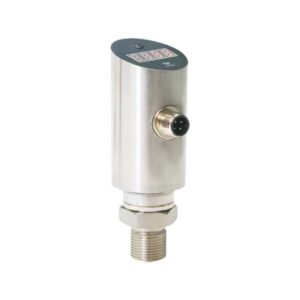
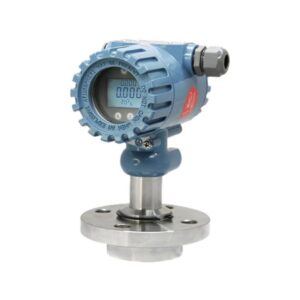
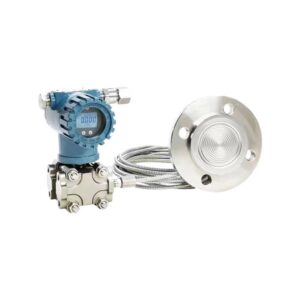
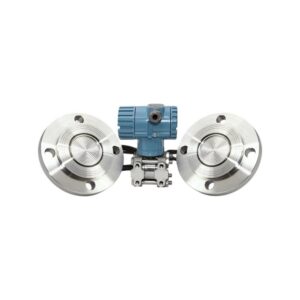
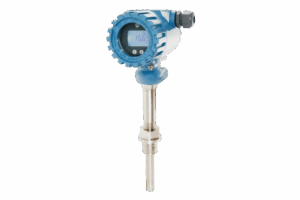
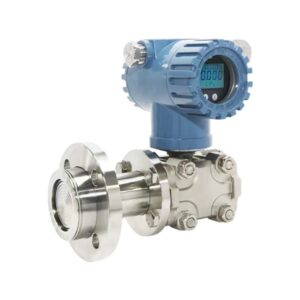
In hydraulic power units, pressure, level and temperature sensors ensure a reliable supply of hydraulic fluid. Infrared temperature sensors or distance sensors remotely and safely detect the location of charred steel plates. Vibration monitoring systems detect machine and plant damage in time, thus ensuring long-term machine operation.
Application Scenarios
– Temperature Sensors
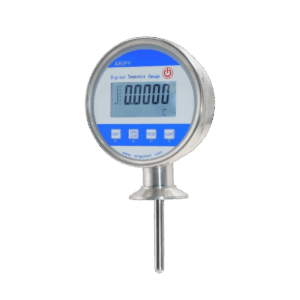
– Blast Furnace Temperature Monitoring: Used to monitor the temperature inside the blast furnace to ensure that the smelting process is carried out within the appropriate temperature range.
– Temperature monitoring outside the furnace: Used to monitor the external temperature of the smelting equipment to prevent damage to the equipment caused by overheating or overcooling.
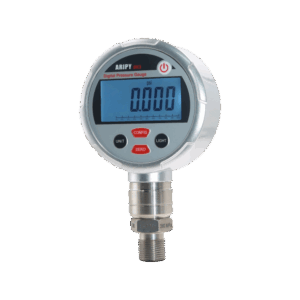
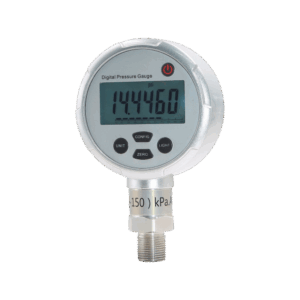
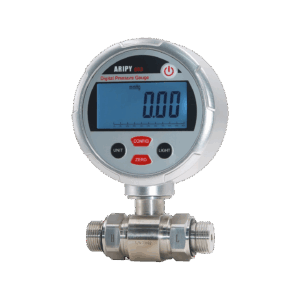
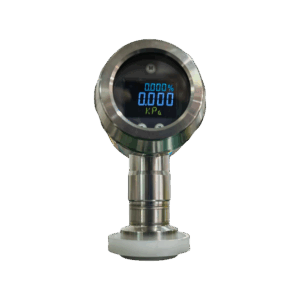
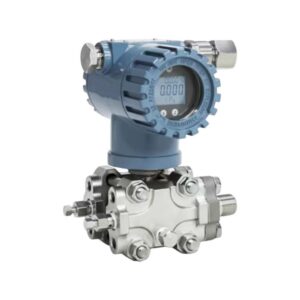
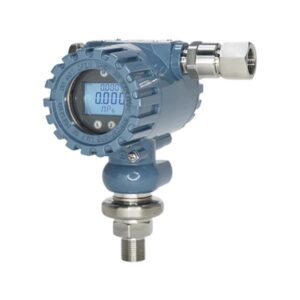
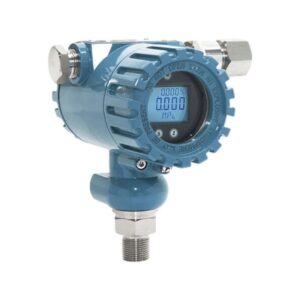
– Pressure sensors
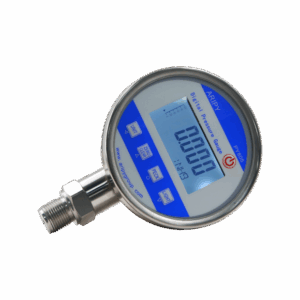
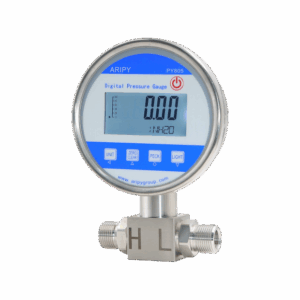
– Gas pressure monitoring: Used to monitor the pressure of gas in the smelting process to ensure the stability of gas supply and reaction.
– Liquid Metal Pressure Monitoring: Used to monitor the pressure of liquid metal to ensure that casting or other processing is carried out under suitable pressure.
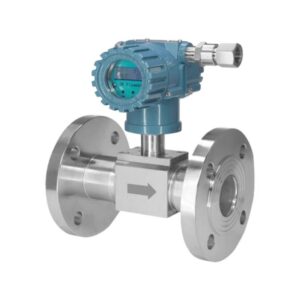
– Flow sensors
– Cooling water flow control: Used to monitor the flow of cooling water in the smelting equipment to ensure the cooling effect of the equipment in the smelting process.
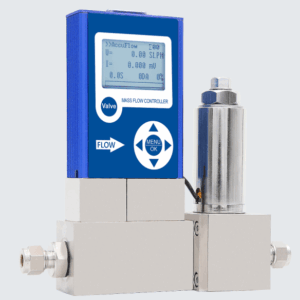
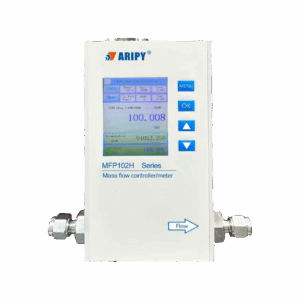
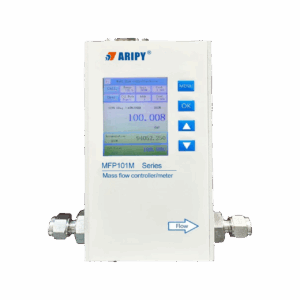
– Gas Flow Monitoring: Used to monitor the flow rate of gas in pipelines to maintain the stability of gas supply.
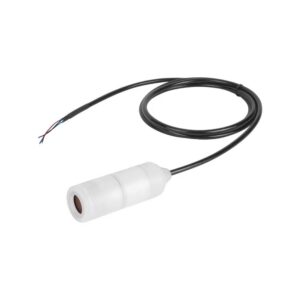
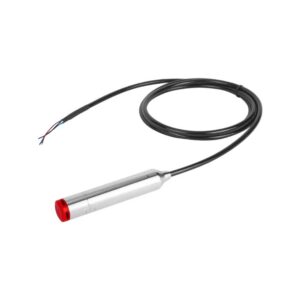
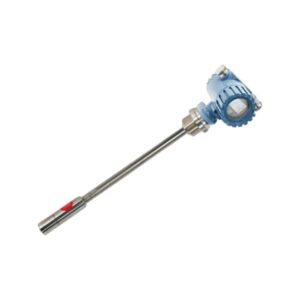
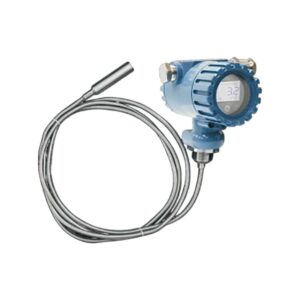
– Liquid Level Sensors
– Liquid metal level monitoring: Used to monitor the level of liquid metal in the container, to ensure that the appropriate level for casting or other processing.
– Cooling Tank Level Monitoring: Used to monitor the level of liquid in the cooling tank to ensure an adequate supply of cooling water.
– Vibration Sensor
– Equipment vibration monitoring: Used to monitor the vibration of the smelting equipment, to help detect abnormal conditions of the equipment in time and prevent equipment failure.
– Humidity Sensor
– Atmospheric humidity monitoring: Used to monitor the humidity in the smelting environment, to ensure appropriate humidity conditions for production, to prevent corrosion and other problems.
Custom Manufacturing
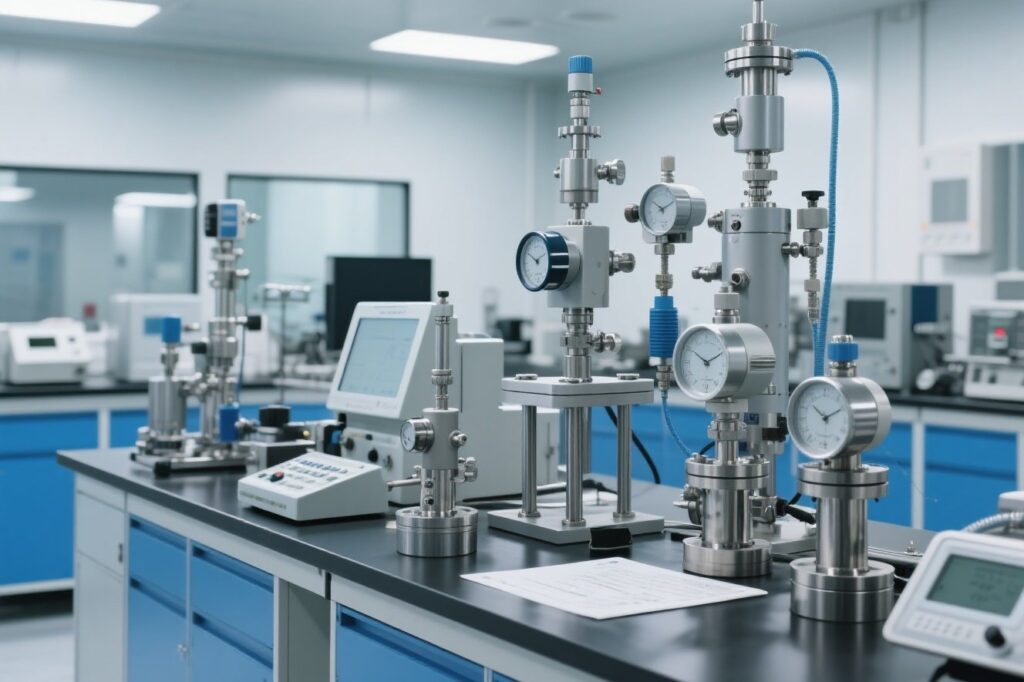
When the conventional products can not meet your needs, we can provide you with customized services according to the technical parameters.